

Harnessing the power of research to learn and generate new insights, enabling the arts community to be strategic, focused and adaptive.
An Arts Impact Project
Understanding Equity, Diversity, and Inclusion in the Public Arts Sector by Shanice Bernicky
Understanding the Transformative Role of the Arts in the Climate Emergency by Emma Bugg
Understanding Accessibility Beyond Logistical Dimensions by Aaron Richmond
In fall 2023, Robin Sokoloski (Mass Culture) and Jamie Gamble (Imprint Consulting) partnered with three researchers from the Research in Residence: Arts’ Civic Impact Initiative and four arts organizations to conduct a 10-month use-case study on the researchers’ arts impact framework. The study aimed to practically apply each framework within the arts community, assessing usability, identifying potential barriers, and exploring adaptability.
You can read Robin and Jamie’s report summarizing the methodology and key findings of the study here.
Aaron Richmond worked with Rachel Marks, Relaxed Performance & Accessibility Consultant.
Emma Bugg worked with Vicki Stroich at Caravan Farm Theatre.
Shanice Bernicky worked with l’AAAPNB and Katie Ingrey, Public Art Program, City of Ottawa.
Read the four partner organizations’ reflections on the experience below.
Understand the methodology and key findings that arose from applying the three frameworks with sector partners.
Understanding Equity, Diversity, and Inclusion in the Public Arts Sector by Shanice Bernicky
Understanding the Transformative Role of the Arts in the Climate Emergency by Emma Bugg
Understanding Accessibility Beyond Logistical Dimensions by Aaron Richmond
The Research in Residence: Arts’ Civic Impact Initiative was officially launched in May 2021 by Mass Culture, Ontario Trillium Foundation, Canada Council for the Arts’ Research, Measurement and Data Analytics section, and Canadian Heritage’s Policy Research Group, with support from the Federal-Provincial-Territorial Table on Culture and Heritage, the Toronto Arts Foundation, and the Critical Digital Methods Institute at the University of Toronto.
In December 2019, the Canada Council for the Arts published its Qualitative Impact Framework. Around that same time, Mass Culture was supporting amplification of the Association for Opera in Canada’s Opera Civic Impact Framework. Curiosity about how to understand Arts’ Civic Impact was the impetus that initially forged an advisory group of mostly funders to create the initiative now known as Research in Residence: Arts’ Civic Impact.
So, what is the Research in Residence: Arts’ Civic Impact initiative? It is a multitude of things. To review a full account of the initiative to date, visit Mary Elizabeth Luka’s “So what is the Research in Residence project?”
As the initiative moves toward its next phase in sharing the researchers’ arts impact frameworks through regional roundtable discussions (sign up to Mass Culture’s newsletter to receive more information), the collaborators are pleased to share this initial report on the initiative’s research questions and methods.
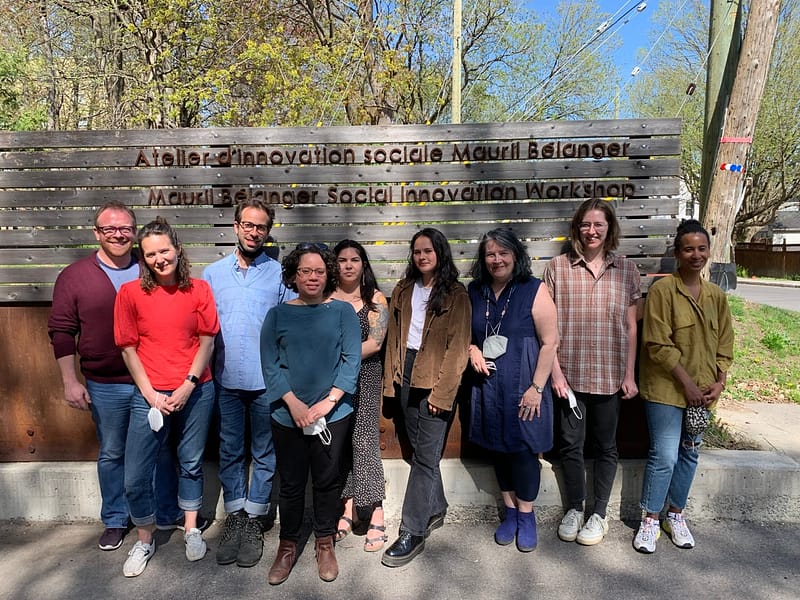
On May 10th and 11th, the researchers, project collaborators and initiative evaluators convened in Ottawa, marking the first time in the project’s year-long span that the researchers and the initiative’s advisory gathered together in person. This two-day event was held at the Élisabeth-Bruyère School of Social Innovation and featured workshops to support the researchers in preparing their findings for the public. It was an opportunity for the researchers and representatives from the initiative’s advisory to learn about strategies for sharing research with different audiences, such as the arts sector, academia and the government. This provided multiple opportunities for the researchers to discuss their work in the midst of generating their research. Workshop sessions included approaches for simplifying messaging, creative prototyping, and academic journal writing. Time was also taken to evaluate the initiative.
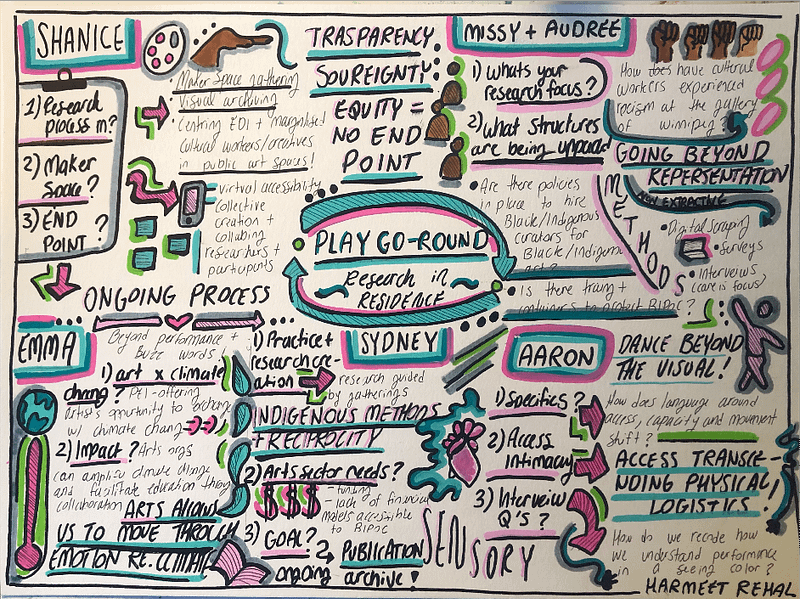
In March 2022, Mass Culture hosted an online Play-Go-Round event, having the five research teams interview one another sharing their processes, curiosities, and thinking on how to develop qualitative impact frameworks. Harmeet Rehal artistically documented the event.
The Research in Residence: Arts’ Civic Impact (RinR) research project brings together academics and the arts sector to develop and test qualitative frameworks that will greatly assist the arts sector in demonstrating its civic impact. It is guided by an Advisory Committee of the project’s partners, and is facilitated and documented by Robin Sokoloski at Mass Culture and Mary Elizabeth Luka at University of Toronto Scarborough. This national research model, including three qualitative impact frameworks, has been shared publicly.
The Researchers in Residence: Arts’ Civic Impact initiative is a collaboration between Mass Culture, the Canada Council for the Arts, the Culture Statistics Working Group (Federal-Provincial-Territorial Culture and Heritage Table), the Ontario Trillium Foundation, and Toronto Arts Foundation.
The initiative engaged researchers from each of the following institutions: McGill University, Emily Carr University’s Aboriginal Gathering Place, University of Winnipeg, Dalhousie University, and Carleton University.
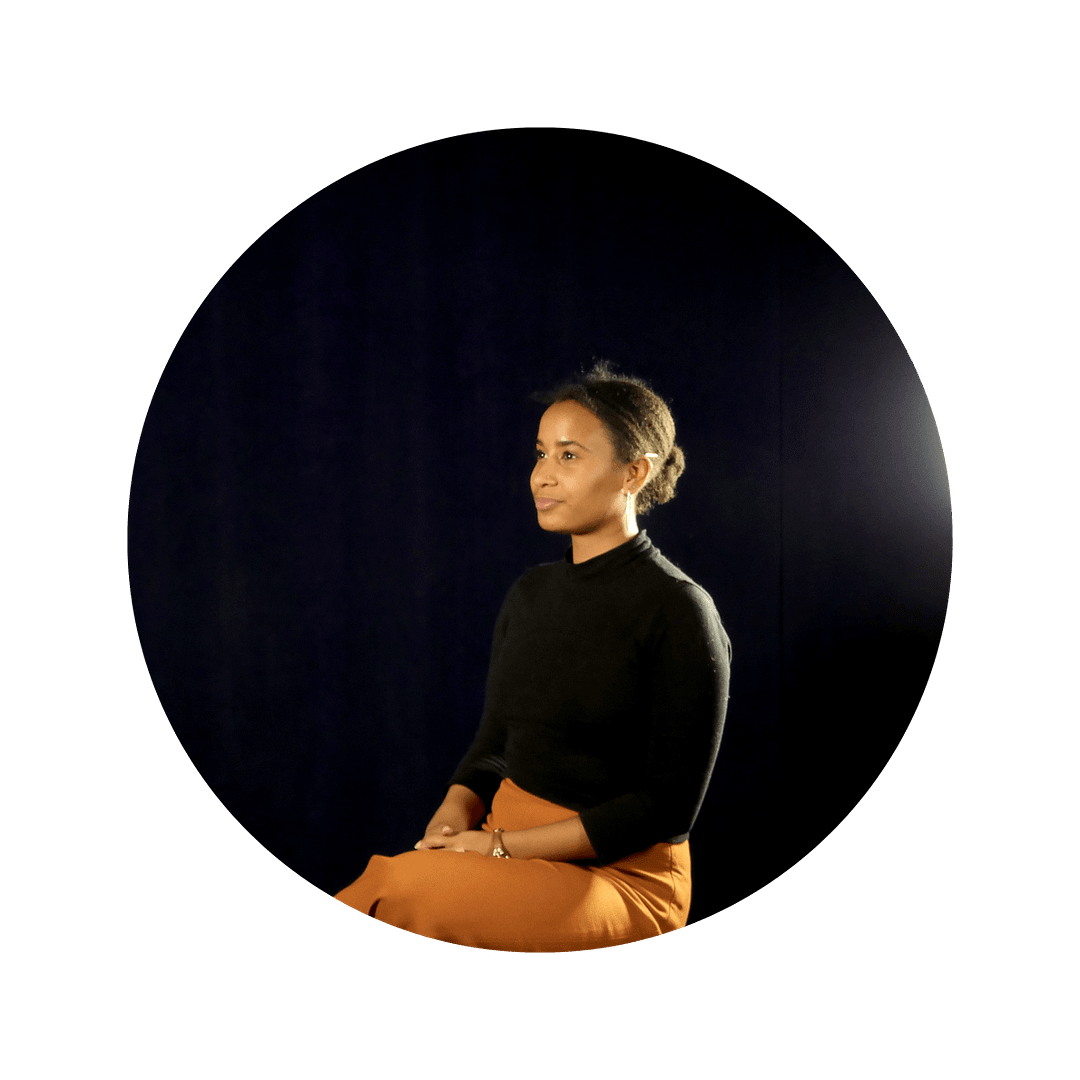
The researchers and their specific arts’ civic impact area of focus were: Sydney Pickering, Indigenous Cultural Knowledge; Emma Bugg, Climate and Sustainability; Aaron Richmond, Health and Wellbeing; Shanice Bernicky, Diversity and Inclusion; Audree Espada and Missy LeBlanc, Diversity and Inclusion.
The Research in Residence project represents a whole new level of collaboration across the arts community, arts funders and academia to advance arts impact research in Canada.
Liz Forsberg • Lead, Partnership Investments, Ontario Trillium Foundation
Mass Culture is thrilled to bring together a diverse group of researchers, an advisory group and link with them arts organizations and festivals across Canada. Researchers will work closely with arts organizations to create in-depth analyses of civic impact of the arts, including issues of anti-racism, equity, Indigenous cultural knowledge, health and wellness, and climate change. This collaborative work will create a national research model that Mass Culture will share openly with the arts and cultural sector.
Clare Daitch • Co-Chair Operations Group, Mass Culture
The Canada Council for the Arts is pleased, through a great collaboration with other funders, to support the Research in Residence: Arts’ Civic Impact project, which is aligned with its Qualitative Impact Framework. This initiative will help the broader arts community explore the impact it has on their communities and society at large.
Gabriel Zamfir-Enache • Director, Research, Measurement and Data Analytics at Canada Council for the Arts
Carleton University

Shanice Bernicky (she/her/elle) is a media maker and doctoral student at Carleton University’s School of Journalism & Communication. Bernicky is interested in the relationship between identity, belonging, and equity, diversity and inclusion practices in settler-colonial states. She completed a Master’s research-creation thesis in Media Studies at Concordia University, exploring themes of heritage and mixed-race identity from axis point of natural Black hair. As a freelance video editor, she has worked on a myriad of projects on rich topics such as Indigenous laws and practices outside the settler-Canadian legal framework, research for the vitality of English-Speaking communities within Québec, and environmental issues connecting the East and the West. At Carleton, her work investigates the link between Canadian policy and the creation of diverse and inclusive television.

Dalhousie University

Emma Bugg (she/her) is pursuing a Master of Environmental Studies at Dalhousie University. Through the Mass Culture Arts’ Civic Impact research project, Emma is exploring the intersections of art, climate change, and environmental sustainability by working in residence with an arts organization to develop an impact framework to better understand, amplify, and enhance the contributions of the arts towards addressing the climate crisis. Prior to beginning her studies at Dalhousie University, Emma worked at the Ottawa based non-profit Evidence for Democracy as the Communications and Campaigns Manager. She holds a Bachelor of Arts Honours from the University of Saskatchewan.

University of Winnipeg

Audree Espada is currently a graduate student at the University of Winnipeg, where she is completing her Master of Arts in Cultural Studies (Curatorial Practices). Having grown up in a city like Los Angeles, Audree understands the value of proper representation of diverse communities in the arts and humanities. After obtaining a Bachelor of Arts in Anthropology at the University of California – Santa Barbara, Audree worked as an archaeologist and museum professional in California, Colorado, and New Mexico. Audree draws upon her many years of field experience to highlight and uplift diverse voices in museum and gallery spaces.

Missy LeBlanc (Métis, nêhiyaw, and Polish) is a curator, researcher, and writer based in Mohkinstsis/Calgary where she is currently the Curatorial Resident at TRUCK Contemporary Art. In 2019, she was the winner of the Middlebrook Prize for Young Canadian Curators and a runner-up for the Canadian Art Writing Prize. LeBlanc holds a Bachelor of Arts from the University of Alberta, double majoring in the History of Art, Design, and Visual Culture and Sociology and a Diploma in Arts & Cultural Management from MacEwan University. In September 2021, LeBlanc will be starting graduate studies at the University of Winnipeg where she will be working towards obtaining a Master of Arts in Cultural Studies, Curatorial Practices.

McGill University

Aaron Richmond is an interdisciplinary artist and PhD candidate in the History and Theory of Architecture program at McGill University. His doctoral project addresses the medicalization of Modern art and architecture within the French periodical L’Esprit nouveau (1920 to 1925). His doctoral work is supported by grants from the Fonds de Recherche du Québec and the Joseph-Armand Bombardier Canada Graduate Scholarship. His art critical writing has appeared in the Brooklyn Rail and e-flux.
Aboriginal Gathering Place, Emily Carr

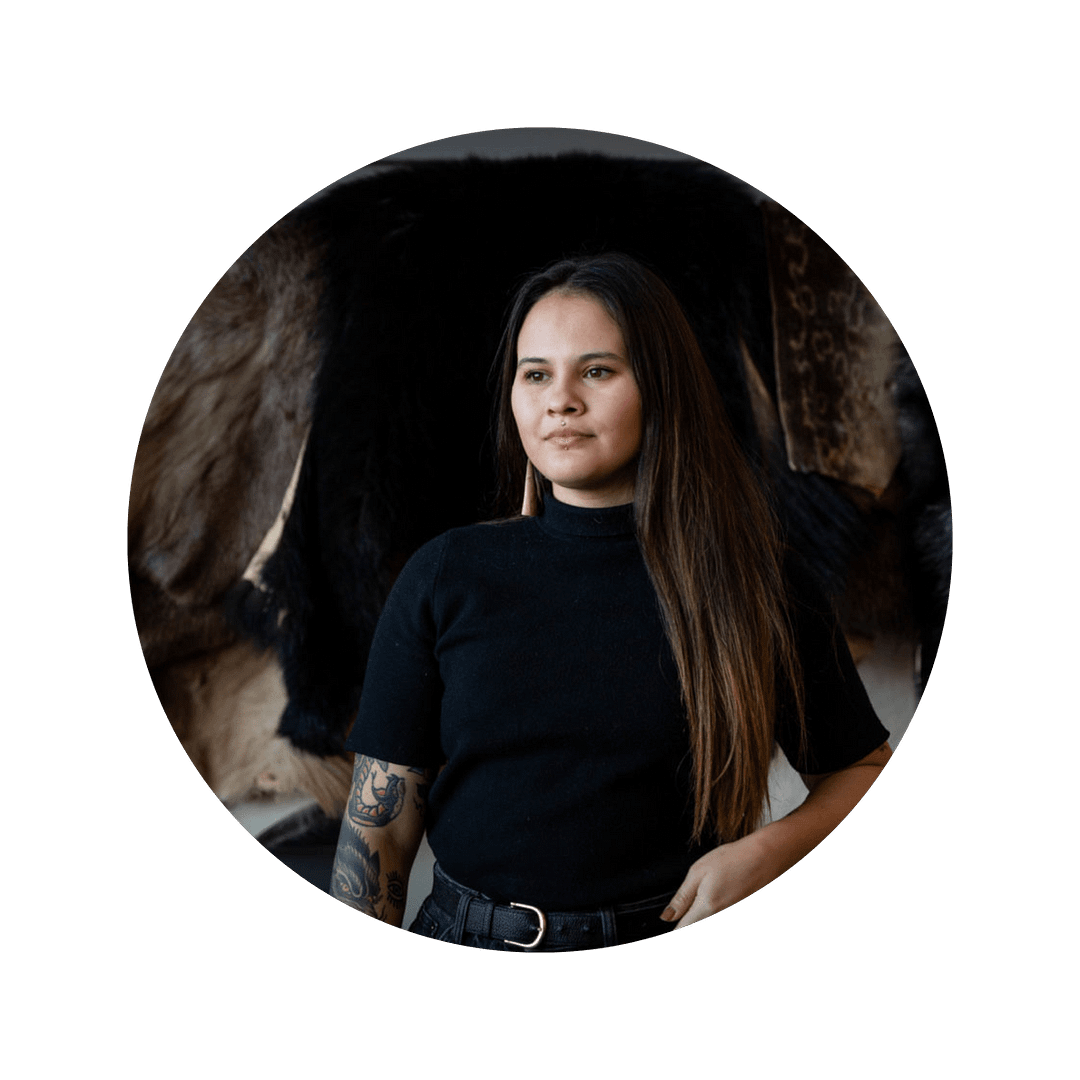
Sydney Frances Pickering is a member of Lil’wat nation. She is currently living and working on the unceded territories of the xʷməθkʷəy̓ əm (Musqueam), Sḵwx̱wú7mesh (Squamish), and Səl̓ílwətaʔ (Tsleil-Waututh) peoples.
Her multi-disciplinary practice includes hide tanning, video, sound, beadwork and poetry. She uses her practice to tell her family’s story, speak about identity and what it is like navigating as an Indigenous person within a colonial society. Her work over the past few years is grounded by her continued connection to land-based material practices.

Robin Sokoloski, Co-facilitator, Mass Culture
M. E. Luka, Co-facilitator, University of Toronto Scarborough and Critical Digital Methods Institute
Jamie Gamble, Evaluator
Marke Ambard, Advisor, Canadian Heritage
Clare Daitch, Advisor, Mass Culture
Liz Forsberg, Advisor, Ontario Trillium Foundation
Nicole Frenette, Advisor, Canadian Heritage
Annie Grégoire-Gathier, Advisor, Canadian Heritage
Paula Ledaga, Advisor, Canadian Heritage
Daniela Navia, Advisor, Canada Council for the Arts
Shawn Newman, Advisor, Toronto Arts Foundation
Gabriel Zamfir-Enache, Advisor, Canada Council for the Arts